 Summary: LED and LCD may sound the same, but they are not interchangeable.
If you are currently in the market for a new and improved visualization system, you have probably already discovered that video wall displays come in all shapes and sizes. Moreover, you may also have noticed that numerous manufacturers are using different names for the same technologies – all while making claims about which system is the best. To ensure you receive the best system for your company, you may want to consult with an expert like ConstantTech.com beforehand, so you get more for your money.
Choosing between one system over another can be extremely confusing for buyers. One of the most confusing aspects is understanding the difference between LCD and LED video wall systems. Though they may sound similar, these two systems couldn’t be more different. Each offers their own unique benefits and features. This guide will discuss the benefits of each system so you can decide what system is best for your business.
LCD Display Systems
Also known as Liquid Crystal Display systems, LCDs are flat panel displays that have been a common choice for users and those in the consumer electronics markets. Chances are, you already have been exposed to LCD technology several times a day in the form of a television, computer monitor, and smartphone.
Composed of liquid crystals smashed together between polarized glass, LCD displays are some of the most commonly used backlights today. Bright and affordable, these systems provide excellent visual performance and extremely high resolution. Companies in need of technology that can display text and images in sharp detail should consider LCDs.
LED Display Systems
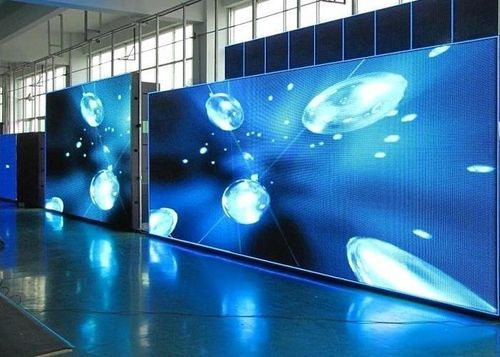
LEDs, short for light-emitting diodes, are flat-panel display types that are just as popular as LCDs. However, they work very differently when compared. In an LED display, hundreds of tiny light-emitting diodes are mounted on a panel, without the use of liquid crystal or polarized glass. Rather than serving as a backlight, the LEDs directly produce the images themselves. Each LED unit is reminiscent of a tiny bulb that emits a colored light when electricity is provided.
There are no bezels in LED panels so they can be easily tiled together to form a seamless video wall. Furthermore, LED displays are also known for their extremely bright and energy-efficient output. Many believe that LED displays have the best refresh rates and color accuracy than other systems that are currently out on the market. These defining qualities make LED an excellent choice for businesses that display large-scale digital panels and other applications that require high-demand visuals.

 Article Written by:
 Article by
 Nowadays, there are software and technologies that are being used in different areas, for the sole purpose of making our jobs easier. Of these technologies, EDI is the one that is being used for several purposes such as businesses, medicine and many more. According to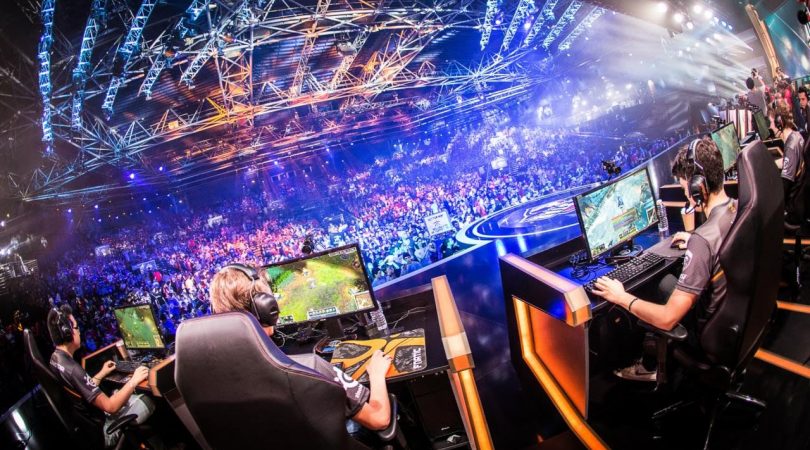
 Summary: Competitive gaming has gone from a hobby people would partake in on the weekends to a lucrative profession over the past decade.
 If you’re looking to recommend the appropriate video conferencing requirements, it’s all about paying attention the customer’s overall objectives. Now, there several ways that you can approach video conferencing and the only wrong way that you can go about doing this is to neglect the customer’s needs. Here is some basic knowledge that you should know so you can make the right video conferencing recommendations.